Pandemic Planning
Books
"Even if the lie is beautiful,
the truth is what you face in the end."
~ Lauren DeStefano
the truth is what you face in the end."
~ Lauren DeStefano
According to the Johns Hopkins Center for Health Security, https://centerforhealthsecurity.org:
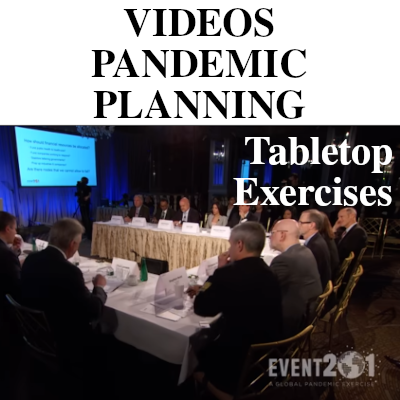
"Training tabletop exercises are based on fictional scenarios and inputs. These exercises are teaching and training resources for public health and government officials."
But, we noticed that they don't talk much about solving the health problem. They primarily focus on restricting peoples rights and managing the information about the health problem.
Please consider the following ...
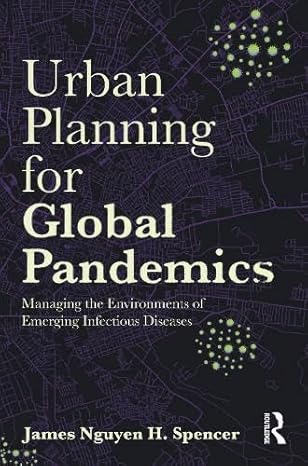
"This book highlights how planners can help advance and shape policy directions; and how investments in technologies, people, and institutions can be beneficial. Chapters emphasize the importance of creating methods of analysis able to detail very-long-term risks, and therefore suggest actionable and affordable preventative planning today for pandemics predicted decades from now. In doing so, they detail how the intersection of two planning fields of expertise — land use planning and transportation planning — can be enlisted in the fight against future pandemic risk."
[Editor's note: this plan describes a 15 Minute City or SMART City.]
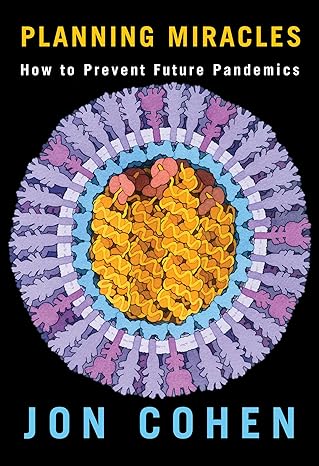
"Science reporter Jon Cohen travels from the mountains of Vietnam to the rainforests in the Amazon, from the "wet" markets in Cambodia to fairgrounds in the United States, exploring how we can better defend ourselves against the growing threat of pandemics, and he finds surprising—and encouraging—answers. Cohen meets scientists sampling bats, pigs, wild birds, poultry, and insects to hunt for the next dangerous virus. He visits labs developing next-generation vaccines with cutting-edge technology that aim to protect us from entire viral families. Cohen discovers the unexpected links between climate change and the spread of disease and describes efforts to improve the equitable distribution of vaccines, diagnostics, and data sharing around the world."
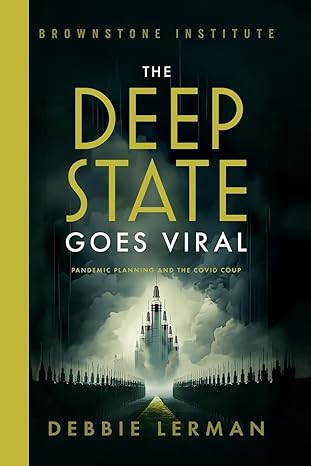
"So what if the pandemic response was run by national security agencies according to a biodefense/counterterrorism playbook, rather than by public health agencies according to public health guidelines? And why is it surprising that most countries responded in similar ways?
Put simply, if it had been a regular public health response, Covid would not have differed from any of the viral epidemics or pandemics of the last century: The public would have been told to remain calm, wash hands frequently, and stay home if sick. Public health agencies would have tracked clusters of severe disease and treated them accordingly. This would have happened at different times, in different locations. Most people would barely have been aware that there was a novel virus circulating among them.
Instead, the response to Covid was the exact opposite: The media and public health agencies whipped the population into levels of panic massively disproportionate to the threat actually posed by the virus. Everyone was convinced that the only way to "beat the virus" was to lock down the whole world and wait for a never-before-tested or manufactured vaccine.
This book presents Debbie Lerman's attempt to understand why and how that switch happened: from a rational, medically, and ethically sound pandemic response to a global military-style lockdown-until-vaccine nightmare.
The ramifications of Lerman's research and analysis extend far beyond the Covid pandemic response, exposing global trends that increasingly affect our everyday lives. This book is not about an event that happened in the past. It is about the shape of what's to come – unless we wake up and stop it."
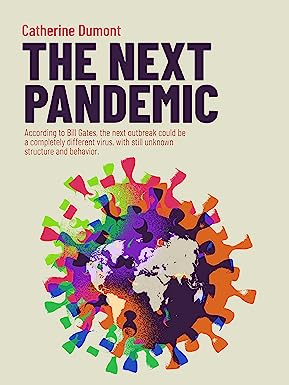
"According to Bill Gates, the next outbreak could be a completely different virus, with still unknown structure and behavior.
Bill Gates claims that Covid-19 vaccines have saved humanity. In the next pandemic, something that the writer and activist gives as a fact, the vaccination process must be shortened. Six months after an outbreak is discovered, the entire world population should be vaccinated. Bill Gates' proposal is called GERM: Global Epidemic Response and Mobilization. It would cost close to a billion dollars a year and would involve a team made up of some three thousand specialists in different areas: medicine and infectious disease, genetics, biology, information technology, communication, logistics, public policy experts, and product development experts. According to Gates, the world must prepare, but is the new pandemic really an imminent danger?"

"How can we prevent another pandemic from killing millions of people and devastating the global economy?
Can we even hope to accomplish this? Bill Gates believes the answer is yes, and he has written a largely upbeat book that lays out clearly and convincingly what the world should learn from COVID-19, explains the science of fighting pandemics, and suggests what all of us can do to help prevent another one."
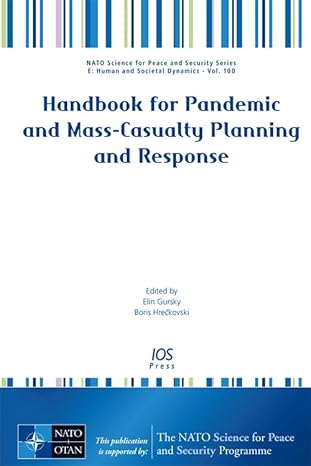
"This handbook offers the disaster medicine professional community the information and tools to better prepare, individually and collaboratively, to mitigate mortality and morbidity when catastrophe occurs. It captures the lectures and teachings of an extraordinary 12 day NATO Advanced Study Institute held in Croatia in late 2011. The results of this event, held under the auspices of the NATO Science for Peace and Security Programme, are presented in three sections:
- The Context of Catastrophic Health Planning;
- Principles of Response to Catastrophes with Mass Casualties; and
- Communication and Information Sharing.
This handbook combines research and real-world examples to assist the disaster response community in preparing for mass-casualty incidents."
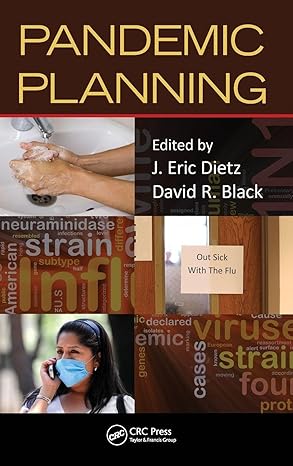
"Topics discussed include:
- The current threat of pandemics and how they relate to homeland security and emergency management;
- Leadership and incident management structure as they relate to pandemic preparedness;
- Computer simulation models and data visualization for strengthening prevention and control measures within a community;
- Marketing principles and how they promote pandemic preparedness for a community;
- Lessons learned from pandemic influenza exercises conducted with regional hospitals and how those lessons can be applied to other institutions;
- Government resources available to assist with the planning for and monitoring of a pandemic event;
- Economic and logistic concerns that arise during a pandemic."



How can you spread the message that They Lied?

Stay up to date with our Newsletter
Click here to read it,
or subscribe below ...
or subscribe below ...
Click here to STOP the Globalist Agenda
Click here to support our work.
Click here to email us at contact@theylied.ca